Samsung And AMD Step Up To FreeSync Gaming TVs – Head Mounted Displays Are Next
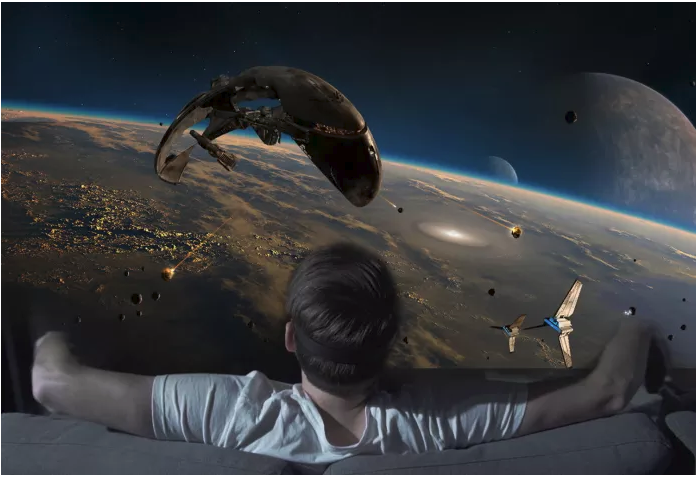
Samsung and AMD partner to create FreeSync TVs and take gaming to the next level.

Samsung and AMD partner to create FreeSync TVs and take gaming to the next level.

The problem at Apple is a lack of Product Love at the top.
Who is winning the battle? Is it Samsung’s AI Assistant? Google’s or Apple’s Siri?
Samsung and Verizon have revealed the high possibility of customer trials of 5G technology in five US cities by second quarter of 2017.
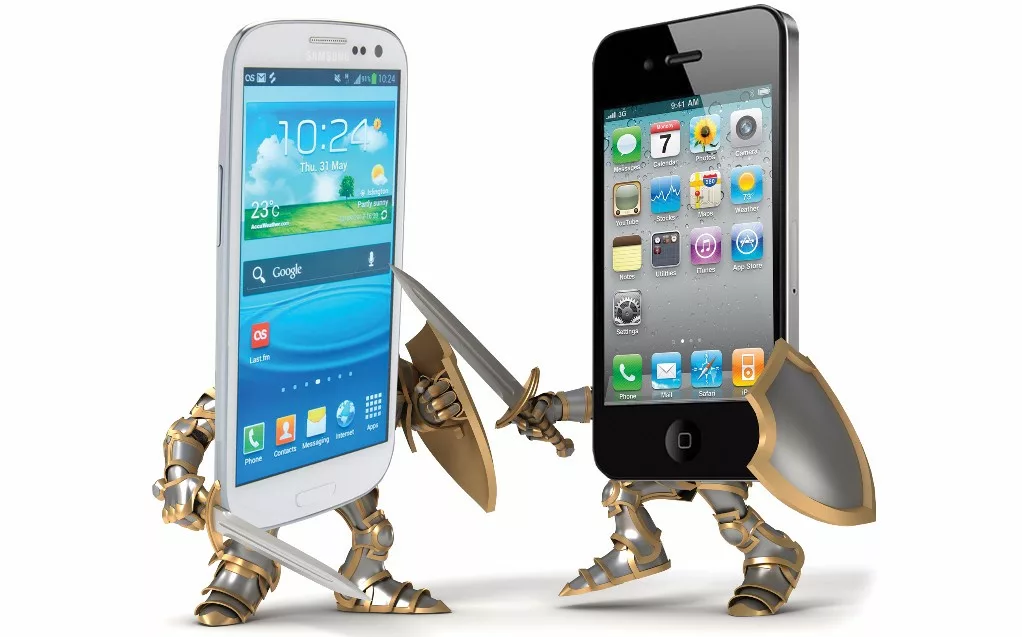
All eyes are set on the giants but the likes Nokia or Huawei should still be reckoned with.
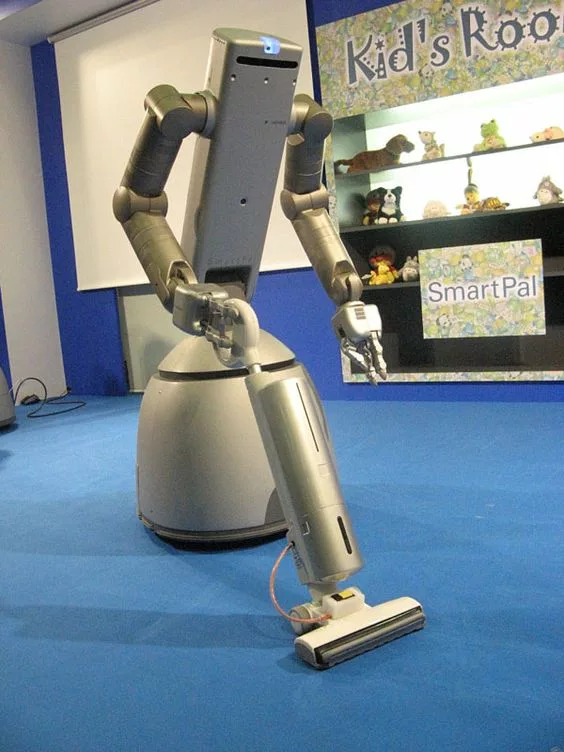
Advice on Robotic Vacuum Cleaners. For the right house the right vacuum may be useful enough. But…
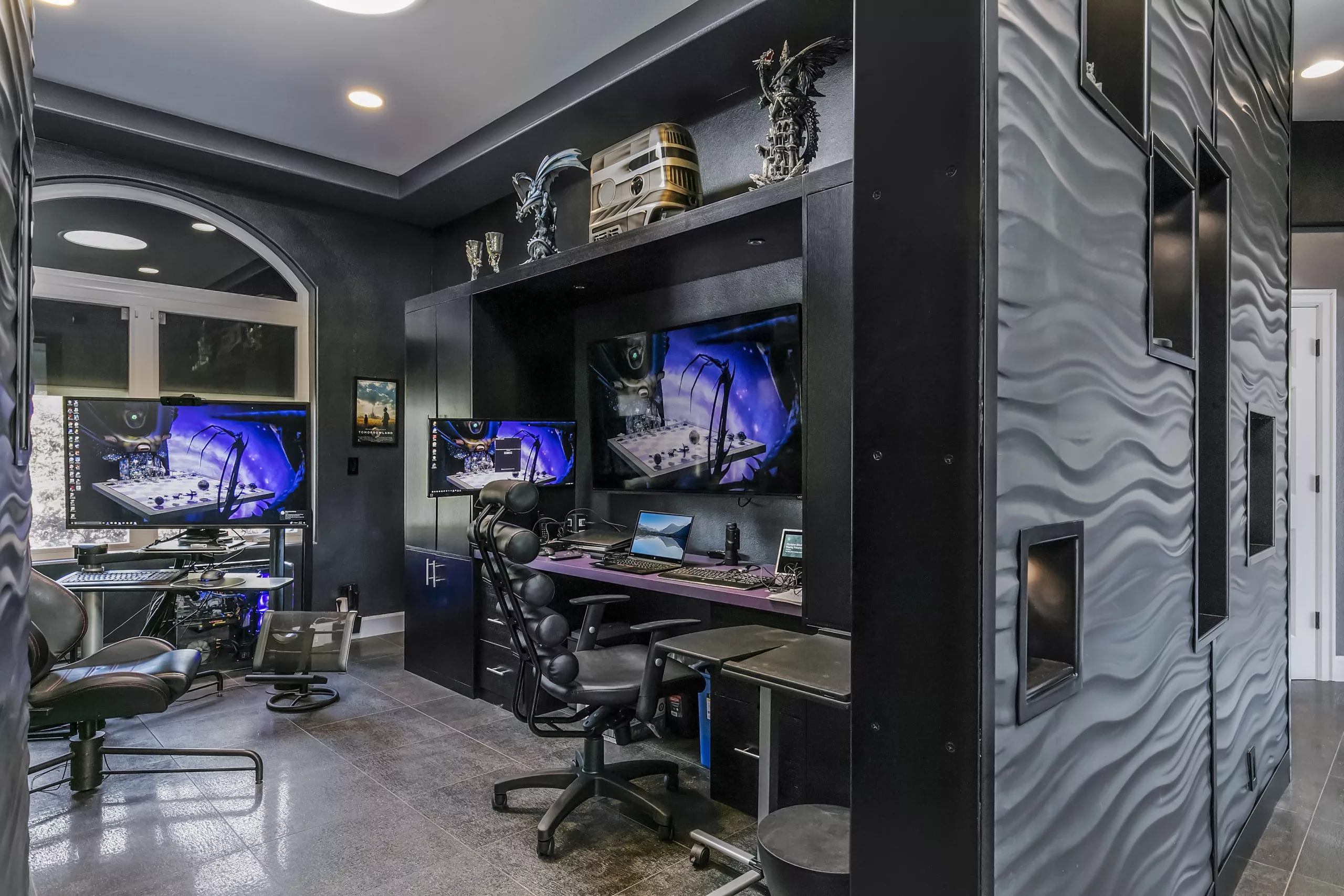
Intel has a chance to make Smarthome less of a joke and more of a reality and has a history of fixing problems like this.

Samsung touts big-screen Galaxy Mega 6.3 and 5.8 smartphones
Samsung's ultra high-definition (UHD) TV is $40,000
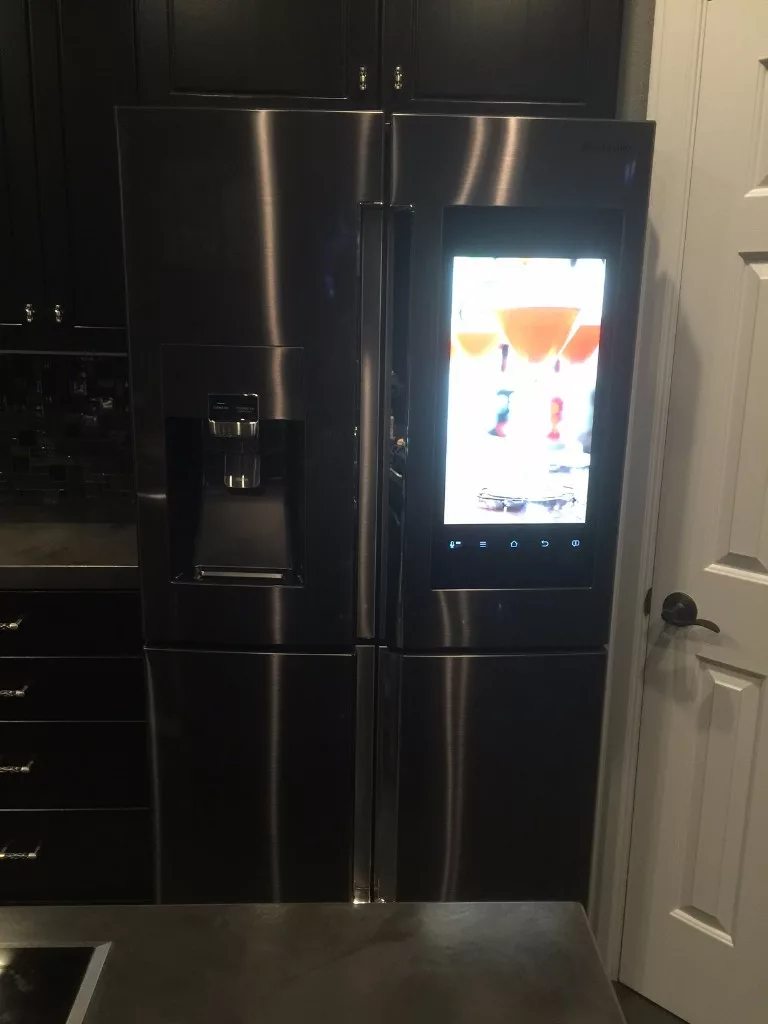
Samsung’s IoT technology just doesn’t meet the standard of connectivity and use the market demands.