

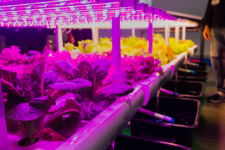
Over the years, the popularity of grow lamps declined because of their massive size, high power consumption, and tendency to heat up quickly. But the modern LED variants are nowhere near what their ancestors were. They are now known as grow lights instead of lamps, and they are absolutely gorgeous to look at. Professional gardeners often use various lights in their gardens such as fiberglass meerkat solar light or the more expensive hydroponic growers. But experts believe that the growing popularity of LED grow lights can give these options a run for their money.
Why are LED grow lights better?
As already mentioned, the size of grow lamps was too big for most gardens. The fluorescent tubes were more than a meter long and often required complicated stands, reflectors, and cables to provide appropriate light to the plants. Moreover, they consumed a lot of power. This high energy consumption is neither good for your pocket nor the environment.
Also, the heat generated from the light was harmful to the plants. But the recent breakthroughs in LED technology has given avid gardeners a new generation of grow lights that are cool-running, smaller, and consume less power.
The latest variants of grow lights consume 90% less energy than its predecessors. Most importantly, their size has shrunk to the size of small decorative lights that you often use in your home. Depending on the manufacturer, you may choose from a wide range of grow lights that come in various colors and sizes. You can follow the detailed guide by 420expertadviser on LED grow lights to find the best variant for your garden.
Grow light designs
The design of the grow lights varies according to their purpose. Some are slightly bigger than the regular grow lights and they are used both for gardening and as table lamps. Many of these lights are thin enough to fit inside flat-pack shelves. You can easily turn your old furniture in the house into instant growing units of small plants in your home.
Why the popularity?
If gardening is your hobby, you may walk the extra mile for your plants to help them grow comfortably. Many gardeners often complain that their dark house is not suitable to grow plants. But with the introduction of LED grow lights, you can grow houseplants anywhere in the house.
Gardeners who are obsessive with houseplants sometimes use their basement to grow these unique plants. However, light is an issue for them. The LED grow lights will solve that problem once and for all. Install a strip of these lights, and they will provide the appropriate brightness to your plants to proliferate.
LED grow lights are undoubtedly a must-have for gardeners and houseplant lovers. Their ambient brightness is not only perfect for growing plants but also sowing seeds and growing fruits and vegetables. Try sowing a few seeds of chilies and tomatoes in spring, and you will harvest a bag full of these fresh veggies in a few months – all at the cost of two desk lamps.